Westbourne Grove Removals in Notting Hill: Narrow Streets
Posted on 14/05/2026
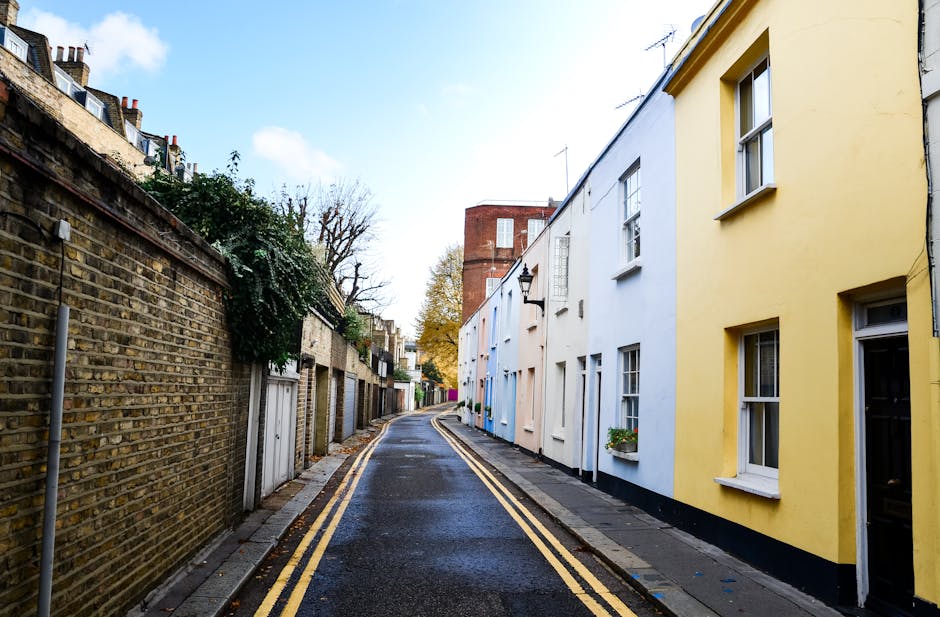
Moving along Westbourne Grove sounds simple on paper. In reality, the mix of narrow streets, busy parking, tight turns, resident traffic, and awkward loading spots can turn a straightforward move into a bit of a puzzle. That is exactly why Westbourne Grove removals in Notting Hill: narrow streets need a local, practical approach rather than a one-size-fits-all van and hope strategy.
If you are moving a flat near the boutiques, a family home off the main road, or a small business close to the Westbourne Grove stretch, the details matter. Can the vehicle stop safely? Is there room to carry furniture without blocking pedestrians? Will the route work at school run time or on a busy Saturday? These are the kinds of questions that decide whether moving day feels calm or chaotic.
This guide breaks down what makes removals in this part of Notting Hill different, how the process works, what to avoid, and how to plan for a move that stays efficient even when the roads do not give you much breathing room. To make the next step easier, you can also explore the wider removal services in Notting Hill and the more flexible man with a van service if your move is small, time-sensitive, or access is tight.

Why Westbourne Grove Removals in Notting Hill: Narrow Streets Matters
Westbourne Grove sits in one of those parts of London where the street scene itself shapes the move. The roads can be elegant, yes, but elegance does not always equal easy access. In Notting Hill, many properties sit on streets that are not built for oversized lorries, repeated double-parking, or long carry distances. That affects everything from timing to the size of vehicle you can sensibly use.
This matters because a move is rarely just about lifting boxes. It is about planning the route, choosing the right parking position, protecting furniture while carrying it through confined spaces, and keeping the day moving without upsetting neighbours or getting stuck behind a delivery truck. Truth be told, the narrow-street challenge is often the difference between a move that feels organised and one that feels like everyone is improvising.
There is also a local lifestyle factor. Westbourne Grove is busy at different times of day, with traffic, pedestrians, shop activity, and the usual London unpredictability. A good removal plan has to respect that reality. If you want a broader sense of how the area works day to day, the local context in should you move to Notting Hill gives useful insight into the neighbourhood's pace and layout.
For commercial moves, the stakes are higher still. A delayed loading bay, a vehicle too large for the road, or a rushed entry into a tight property can cause knock-on problems for staff, clients, and building management. In other words, the street is part of the job, not just the backdrop.
How Westbourne Grove Removals in Notting Hill: Narrow Streets Works
A well-run move in this area usually starts before the van arrives. The first step is understanding the access pattern: where the van can stop, whether there is a legal loading option, how far items will need to be carried, and whether the property has stairs, lifts, or awkward entry points. Those details shape the whole plan.
For smaller moves, a compact vehicle and an experienced team can often make the job much smoother than using a larger removal lorry. A nimble setup is easier to position, easier to unload, and less likely to create a traffic headache. For larger homes or offices, the approach may involve a staged load, additional team members, or a second run rather than forcing everything into one impossible trip.
The process commonly looks like this:
- Survey the access - check the road width, parking options, entry points, and any restrictions.
- Match the vehicle to the street - select a van that can actually work in the space available.
- Plan the loading sequence - heavy and awkward items first, delicate items secured separately.
- Protect property and items - covers, blankets, straps, and careful handling in tight spaces.
- Move efficiently and legally - minimise obstruction, keep to agreed timings, and stay mindful of neighbours and traffic.
That sounds orderly because it should be. But on the day itself, there is always a bit of movement around the plan. A parked car appears. A pedestrian wants to get past with a buggy. Someone is unloading shopping. The best removal teams leave space for that reality and keep the move progressing without drama.
If your move involves furniture that needs extra care, take a look at furniture removals in Notting Hill and, where needed, piano removals in Notting Hill for more specialised handling. A narrow street does not forgive bad handling. It just doesn't.
Key Benefits and Practical Advantages
The biggest advantage of planning a move properly around Westbourne Grove is control. When access is tight, control becomes everything. You reduce wasted time, avoid unnecessary lifting, and lower the risk of damage. That is especially useful if you are moving into a period building, a top-floor flat, or a home with narrow stairwells and awkward door frames.
Here are the main practical benefits:
- Less stress on moving day - clear planning cuts down on uncertainty and last-minute scrambling.
- Better use of time - a suitable vehicle and route avoid repeated repositioning.
- Reduced handling risk - fewer unnecessary carries means fewer knocks, scrapes, and sore backs.
- More suitable for local roads - narrow streets reward smaller, more agile logistics.
- Improved neighbour relations - a tidy, efficient move is simply less disruptive.
There is a quieter benefit too: good planning helps you make confident decisions. You know whether you need full house removals in Notting Hill, a flat-focused service such as flat removals in Notting Hill, or a more compact solution. That clarity is useful, especially when you are trying to juggle keys, inventories, and life in general.
Expert summary: In narrow Westbourne Grove-style streets, the best move is rarely the biggest vehicle. It is the best-matched vehicle, the best-timed arrival, and the best-prepared team.
Who This Is For and When It Makes Sense
This kind of move is relevant to far more people than you might think. The obvious group is tenants and homeowners in Notting Hill, but the practical fit goes wider than that.
It makes sense for:
- Flat movers who need a smaller, quick-turnaround service
- Families moving furniture and boxes through tight residential streets
- Students shifting into or out of nearby accommodation
- Office teams relocating equipment without blocking a narrow frontage
- Anyone with bulky items like sofas, wardrobes, or pianos
- People needing rapid help when plans change suddenly
If that sounds familiar, a smaller, more responsive service may be a better fit than a standard large-scale removal truck. For a lot of local moves, a man and van in Notting Hill or man and a van in Notting Hill setup gives the right balance of flexibility and cost control.
There are also life-stage scenarios where the move is especially common. Maybe you are upsizing after a few years in a flat. Maybe you are leaving a short-term rental. Or perhaps you are moving offices because the current space no longer fits. Different situation, same narrow-street headache. The trick is matching the method to the property, not the other way round.
Step-by-Step Guidance
If you want the move to run smoothly, the details have to be handled in the right order. Here is a practical way to approach it.
- Assess the property access
Walk outside and look at the road with a mover's eye. Is there space for a van to stop safely? Are there low branches, narrow gaps, or frequent passing traffic? What about the distance from the van to the front door? - Make a room-by-room inventory
You do not need a professional spreadsheet, just a clear list of what is moving. It helps with vehicle sizing, packing time, and deciding whether storage is needed. If you are not ready to move everything at once, storage in Notting Hill can be a sensible bridge. - Separate fragile, valuable, and awkward items
Glass, artwork, mirrors, lamps, and electronics should not be mixed loosely with heavier boxes. That is asking for trouble. - Book the right service level
If you need help dismantling furniture, ask early. If the move is last-minute, look at same-day removals in Notting Hill and confirm whether the route and timing can still work. - Prepare the parking plan
A mover can only do so much if the stopping point is impossible. Confirm the loading arrangement before the day. This is one of those unglamorous tasks that saves a surprising amount of stress. - Pack with the carry route in mind
Boxes should be manageable by one person, especially if there are stairs. Overfilled boxes are a classic mistake. They look efficient until they split in the hallway. - Keep the essentials accessible
Documents, chargers, medication, toiletries, keys, and a change of clothes should stay separate. You do not want to be hunting for toothpaste at 11 p.m. after a long day.
And then there is the final check. Do one last walk-through before the van leaves. Windows, meters, cupboard shelves, hidden sockets, the back of the bathroom door. People always forget something. Always.
Expert Tips for Better Results
Small improvements make a big difference in narrow-street moves. These are the things that tend to matter most in practice.
- Choose an earlier start time where possible. Westbourne Grove can get busier as the day goes on, and traffic friction builds up quickly.
- Use stronger packing materials for fragile items. A well-packed box is easier to carry and less likely to need repacking half-way through the move.
- Measure the awkward items before moving day. Sofa depth, wardrobe height, and fridge width can save awkward surprises at the door.
- Keep doorways clear inside the property. It sounds obvious, but in a flat with narrow hallways, it really helps to create a clean route from room to van.
- Share access notes upfront with the mover. Mention stairs, intercoms, concierge arrangements, resident permits, or lift restrictions.
- Use protective covers for upholstery and wood finishes. The scrape usually happens at the threshold, not on some dramatic corner.
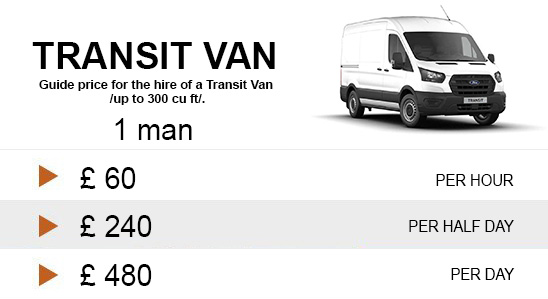
A little planning on Westbourne Grove often goes a long way. If you are unsure about costs or vehicle options, the page on man with van rates is a useful place to understand how different move sizes are typically approached. Not every move needs the same structure, and that is perfectly fine.
One more thing: be realistic about your own energy. If you are trying to manage keys, children, parking concerns, and packing all at once, it is easy to miss something basic. Ask for help early. Nobody wins a medal for doing a move the hard way.

Common Mistakes to Avoid
Most problems in narrow-street removals are predictable. That is the frustrating bit. The good news is that predictable problems are easier to prevent.
- Booking a vehicle that is too large for the street or access point
- Leaving parking until the day of the move
- Packing heavy boxes too full so they become unsafe to lift
- Forgetting to check stair widths or lift sizes
- Not planning for loading time in a busy area
- Assuming all furniture can be carried assembled
- Failing to tell the mover about valuable or delicate items
One small but common issue is underestimating the carry distance. A property can look close to the road from the pavement, but once the van is parked legally and the route is clear, the actual distance may be much longer. That adds time and fatigue, and fatigue leads to mistakes. Simple as that.
Another one: not checking building rules. Some flats and managed buildings have particular expectations around lifts, access times, and protecting common areas. It is better to ask once than to have an awkward conversation in the lobby while someone is waiting behind you with a trolley.
Tools, Resources and Recommendations
You do not need a warehouse full of equipment to move well, but a few sensible tools and resources make life easier. The exact list depends on the size of the move, yet these are broadly helpful:
- Sturdy boxes in a few sizes, not just one big type
- Packing paper or bubble wrap for fragile items
- Blankets and furniture covers for wood and soft furnishings
- Straps and tie-downs to keep items secure in transit
- Labels and a marker pen so boxes are easy to sort at the destination
- Phone photos of cable setups, shelving, and furniture layouts before disassembly
For people who want a more hands-on packing service, packing and boxes in Notting Hill can be a sensible support route. It reduces the amount of panic packing, which, let's face it, is usually done at midnight with a roll of tape that keeps disappearing.
It can also help to review the wider service range via the services overview, especially if your move combines furniture, boxes, storage, or specialist items. If you are comparing providers, the local guide on removal companies in Notting Hill is also useful for understanding what to expect from a professional team.
Law, Compliance, Standards, or Best Practice
For removals in a dense residential area, compliance is less about dramatic legal language and more about doing ordinary things properly. That means safe lifting, sensible vehicle positioning, respectful handling of property, and not creating avoidable obstruction on the street.
In practical terms, best practice usually includes:
- using appropriately sized vehicles for the street and load
- following safe manual handling methods
- protecting floors, bannisters, walls, and door frames where needed
- respecting access arrangements and any building-specific rules
- communicating clearly about timing, access, and item fragility
If you are hiring a removal company, it is reasonable to ask about insurance and safety. You should also be comfortable with the provider's wider policies, including their health and safety policy, terms and conditions, and how they handle enquiries and service issues. That is not being fussy. It is just sensible.
For people who value responsible business practices, the company's modern slavery statement, recycling and sustainability approach, and accessibility statement can also help build trust. In a local service, trust is part of the product.
Options, Methods, or Comparison Table
Not every move in Westbourne Grove needs the same setup. The right option depends on how much you are moving, how much access you have, and how quickly it needs to happen. Here is a simple comparison.
| Option | Best For | Strengths | Watch Outs |
|---|---|---|---|
| Man and van | Small flats, partial loads, quick local moves | Flexible, nimble, good for narrow streets | Less suited to very large households |
| Full removals service | Whole-home moves, bigger furniture, more packing support | More hands, more structure, better for complex jobs | May need more time and access planning |
| Same-day removals | Urgent moves or short-notice changes | Fast response, useful in emergencies | Availability can be limited |
| Storage plus move | Staged relocations or delayed completion dates | Reduces pressure when timings do not align | Requires early planning and coordination |
For many Notting Hill properties, the first two options are the most practical. If you need a tailored arrangement, start with a local quote via pricing and quotes and make sure the access notes are clear. That alone can save a lot of back-and-forth.
Case Study or Real-World Example
Imagine a two-bedroom flat just off Westbourne Grove with a narrow entrance hallway, one flight of stairs, and no obvious place for a large van to stand for long. The residents have a sofa, bed frames, several boxes, a dining table, and a couple of fragile pieces that matter more than they probably should because they have been in the family for years.
In that sort of move, the smart plan is not to insist on a giant vehicle and hope for the best. A better approach is to:
- confirm the best arrival window for local traffic
- use a compact vehicle that can stop briefly and safely
- prepare furniture for quick carry-out
- load the heaviest items first so the route stays clear
- protect the common areas and the furniture itself
The move then becomes a sequence rather than a scramble. The sofa goes first, with a careful turn at the doorway. Boxes are carried in organised groups, not dumped in a pile. The fragile items are kept separate and handled with a bit more patience. Not flashy. Just effective.
If the move is especially small, the team might even recommend a more compact removal van in Notting Hill rather than oversizing the job. That kind of honest advice is usually a good sign. You want the solution that fits, not the solution that looks impressive on paper.
Practical Checklist
Use this checklist a few days before the move, then again on the morning itself.
- Confirm the moving date and access time
- Check whether parking or loading arrangements are needed
- Measure large furniture, stairwells, and door widths
- Label boxes by room and priority
- Set aside valuables, documents, and essentials
- Tell the mover about fragile, heavy, or awkward items
- Ask about insurance, timing, and any building restrictions
- Keep walkways clear inside the property
- Protect floors and corners where needed
- Do a final room-by-room check before departure
Quick practical note: if you are moving in a rush or under time pressure, ask about contacting the team directly rather than trying to fit everything into an online form and hoping the details are enough. A short conversation can prevent a long day of confusion.
Conclusion
Westbourne Grove removals in Notting Hill are not difficult because the area is impossible. They are challenging because the streets demand a smarter, more local way of working. Once you respect that reality, the whole move becomes easier to manage. Smaller vehicles, clearer planning, careful packing, and realistic timings all add up to a much calmer experience.
Whether you are moving a flat, a family home, or a small business, the goal is the same: protect your belongings, protect your time, and keep the day moving without the usual London friction. The narrow streets are part of the landscape, not a surprise to fight against. Work with them, and things tend to go better than expected.
If you are comparing service options, reviewing the route, or simply trying to decide how to start, a local team with the right setup can make all the difference. And honestly, sometimes that one good decision at the start saves you from a whole chain of little problems later on.
Get a free quote today and see how much you can save.
However busy the street gets, a well-planned move still has a way of finding its rhythm.