RBKC Permits for Notting Hill Removals Explained
Posted on 18/06/2026
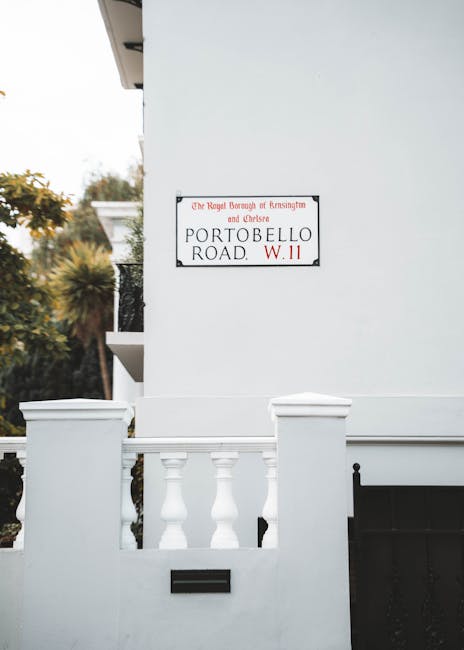
If you are moving in Notting Hill, the permit question can sneak up on you fast. Streets are narrow, kerb space is tight, and a small delay outside a flat can turn into a very expensive shuffle. RBKC permits for Notting Hill removals explained means understanding when Kensington and Chelsea rules affect your move, what kind of permission or planning you may need, and how to avoid last-minute stress on moving day.
In plain English: if your van needs to wait, stop, load, unload, or access an awkward bay in RBKC, you should not assume it is fine just because it is "only for an hour." That is where many moves go sideways. This guide breaks it all down clearly, from the practical steps to the mistakes people make when they are already juggling boxes, keys, lifts, and maybe a very unimpressed neighbour.
We will cover when permits matter, how the process usually works, what to check with your removals team, and how to keep the day calm. You will also find a checklist, a comparison table, and a few real-world reminders from the kind of Notting Hill streets where everything feels simple until the van tries to park.
Why RBKC Permits for Notting Hill Removals Explained Matters
Notting Hill is one of those places where the practical reality of moving is shaped as much by the street as by the property. A loading bay that looks available at 8:00 am may not be available at 8:10. A perfectly normal van can suddenly feel enormous beside a row of parked cars, scooters, and delivery vehicles. That is why RBKC permit planning matters so much.
For removals, the issue is not just "can a van stop here?" It is also about whether the stop is lawful, whether the location is restricted, whether the road is busy, and whether your vehicle access plan matches the actual street conditions. When those details are ignored, the day gets noisy in a hurry. Horns, time pressure, and awkward conversations with building managers are not exactly the best moving-day soundtrack.
This matters even more for flats, basement properties, mansion blocks, and homes near busier stretches such as Portobello Road or Westbourne Grove. If a lift booking has been made, parking is tight, or your move needs a longer loading window, permit planning becomes part of the move itself, not a side note.
To be fair, many people only discover this after they have already booked the van. That is why a careful removals plan should include parking checks, access notes, and a permit conversation early on. If you are comparing move types or deciding what support you need, the wider removal services in Notting Hill overview is a useful place to start.
How RBKC Permits for Notting Hill Removals Explained Works
RBKC-related moving permissions usually come down to access and stopping arrangements rather than one single magic document. In practice, the moving team needs to know whether the van can legally and safely park close enough to the property to load or unload.
The exact process depends on the street, the time of day, and the type of restriction in place. Some roads have loading-only spaces. Others have resident bays, pay-and-display bays, yellow lines, or local restrictions that make stopping risky. In some cases, a temporary parking suspension or a special arrangement may be needed. In other cases, a short move can be managed with careful timing and a smaller vehicle.
Here is the simple version: first you check access, then you check restrictions, then you match the right vehicle and schedule to the property. If that sounds obvious, good. It should be obvious. Yet it is amazing how often people skip straight to the booking stage and hope the street will cooperate. Streets rarely cooperate on command.
Most removals teams will ask for details such as the full address, floor level, lift access, loading distance, and whether there is any on-street parking at either end. If your move is more compact, a man and van in Notting Hill may be a practical fit, especially where access is tighter and the job is smaller.
It also helps to think about the move in two parts:
- Street access: how close the vehicle can get to the door.
- Building access: stairs, lifts, concierge rules, and internal distance.
That split is useful because a move can be simple on paper but painful in reality if the van is parked far away. A 20-metre carry is one thing. A 120-metre carry with a wardrobe and a box of books is another story entirely.
Key Benefits and Practical Advantages
Getting RBKC permit planning right is not just about avoiding a fine or a hassle. It can improve the whole move.
- Less delay - the crew can work closer to the property and keep momentum.
- Lower risk - fewer improvised parking decisions mean fewer awkward surprises.
- Better scheduling - the move can be timed around access and restrictions instead of fighting them.
- Cleaner communication - everyone knows where the van will stop and for how long.
- Reduced physical strain - shorter carries are easier on people and belongings.
There is also a quieter benefit: confidence. Once the access plan is sorted, the rest of the move tends to feel more manageable. That is no small thing when you are also thinking about keys, deposits, children, pets, or whether the kettle is packed away somewhere you now cannot remember.
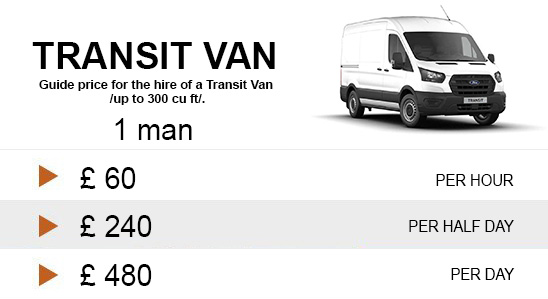
If you are weighing up the right vehicle for a local move, the man with a van service page can help you judge whether a compact approach makes more sense than a larger removal van. And if budget is part of the discussion, it is worth reviewing the man with van rates information early, before the moving plan becomes wishful thinking.
Who This Is For and When It Makes Sense
Not every move needs the same level of permit planning, but a lot of Notting Hill moves benefit from it. The people who usually need to think carefully include:
- flat movers in mansion blocks or conversions
- tenants moving in and out on fixed handover dates
- homeowners in streets with limited loading space
- office movers with delivery windows or concierge rules
- students moving furniture into compact accommodation
- anyone with large or fragile items such as mirrors, sofas, or a piano
It also makes sense if your move is time-sensitive. A same-day handover, a short completion window, or a move that has to happen before a building closes access can all make permits and parking more important than people expect. In those situations, the smallest detail matters. Even the difference between a side street and the main road can change the whole rhythm of the day.
For shorter, urgent jobs, you may want to look at same day removals in Notting Hill. If you are moving out of a higher-floor flat, the practicalities around access, carrying distance, and lift use become even more important, so flat removals in Notting Hill are worth a look too.
Office moves deserve their own thought process as well. Access windows, building rules, and traffic flow around weekday business hours can make a permit or parking plan essential. That is where office removals in Notting Hill become a different beast entirely.
Step-by-Step Guidance
Here is a practical way to handle the whole thing without losing your patience halfway through.
- Check the property access first. Look at the road outside, nearby parking, any loading bays, and building rules. If you can, stand outside at the same time of day as the move. Morning and late afternoon can feel like different streets.
- Identify restrictions. Yellow lines, resident bays, loading-only spaces, timed controls, and camera enforcement all matter. Do not assume a brief stop is automatically acceptable.
- Ask the removals company what they need. A decent crew will want the exact address, floor number, access type, and any lift or concierge requirements. Keep it plain and honest.
- Match the vehicle to the job. A larger van is not always better. In narrow Notting Hill streets, a smaller, more manoeuvrable vehicle can be the sensible choice.
- Build in time buffers. If loading takes longer than expected, you do not want the whole move collapsing because the parking slot was only just workable.
- Confirm the plan in writing. Even a short email or message with the access details can save a lot of confusion later.
- Prepare the property. Keep walkways clear, label boxes clearly, and make sure items are ready to move when the vehicle arrives.
That sequence sounds basic, and it is basic in the best sense. These are the details that stop a move from becoming a scramble. If you want to compare the practical side of moving support options, the broader removal companies in Notting Hill page can be helpful when weighing providers and service styles.
A useful tip: if your move involves bulky items, talk through the loading route, not just the address. A sofa that must be carried around a tight corner through a basement entrance is a different job from one going straight down a lift. Annoying, yes. But very relevant.
Expert Tips for Better Results
In our experience, the best-moving days are the ones where the surprises have already been dealt with before the first box leaves the hallway. That means asking a few awkward questions early.
- Measure the access, not just the furniture. A wardrobe that fits the room may still hate the stairwell.
- Watch for school run and commuter pressure. A perfectly legal plan can still be miserable at the wrong time of day.
- Keep keys and access cards easy to reach. Nobody wants to rummage through a backpack while the van idles outside.
- Use protective packing for fragile items. Tight access increases the chance of bumps, so wrap well and label clearly. If you need support there, packing and boxes in Notting Hill is a sensible companion service.
- Tell your movers about anything odd. Narrow gates, steep steps, shared courtyards, awkward intercoms - all of it matters.
A slightly boring bit of advice, but a good one: keep a simple note on your phone with the building contact, access codes, and parking plan. On moving day, that note is gold. Honestly, it can save the whole mood.
If you are moving something especially delicate, like a console or upright, do not treat it like an ordinary box. The right specialist support can make a real difference, which is why people often look at piano removals in Notting Hill when the item needs proper handling.

Common Mistakes to Avoid
Most problems in permit-related removals are not dramatic. They are small, preventable things that snowball.
- Leaving access planning until the day before. This is probably the biggest one.
- Assuming a short stop is fine everywhere. Sometimes it is, sometimes definitely not.
- Forgetting about building rules. Some blocks need lift bookings or advance notice.
- Choosing the wrong vehicle size. Too big can be awkward; too small can mean extra trips.
- Not accounting for traffic pinch points. Notting Hill can feel calm, then suddenly not calm at all.
- Ignoring the carry distance. A "quick move" can become surprisingly tiring.
Another common slip is not distinguishing between the move itself and the parking arrangement. People focus on the boxes and forget the vehicle. But the van is the workhorse of the day. If it cannot get near the property, everything slows down, and nobody enjoys that.
If you are trying to keep the budget under control, avoid hidden fees by asking clear questions about access, waiting time, and parking assumptions. The avoid hidden costs in Notting Hill moves guide is a useful companion read for that exact reason.
Tools, Resources and Recommendations
You do not need fancy tools to get this right. You do need a calm, accurate checklist and a few practical habits.
- Phone notes for parking details, access codes, and contact names.
- Photos of the street outside, loading bay signs, and entrance points.
- A floor plan or rough sketch if furniture needs to be placed in a particular room.
- Box labels that actually say what is inside, not just "misc."
- Traffic-awareness around school times, market days, and busy weekends.
For many local moves, the best practical resource is a service provider that understands the area and asks the right questions before the booking is final. That local knowledge matters in Notting Hill because the streets vary so much from one pocket to the next. A move near a quieter residential row is not the same as a move beside a busier retail strip.
If you want to see how a local provider frames moving support, the main removals Notting Hill page gives a broader view of the service offering. For those comparing smaller vehicle options, the man and van in Notting Hill page is also relevant.
And if storage becomes part of the puzzle because completion dates or access windows do not line up, do not force the issue. Short-term storage in Notting Hill can be the neatest solution. A bit dull maybe, but very effective.
Law, Compliance, Standards, or Best Practice
For moving day in RBKC, the safest approach is to treat parking and loading rules seriously, even when the job feels small. Local restrictions, signage, and road markings matter. So do building rules, fire exits, and access arrangements. If a stop or wait would breach a restriction, it should not be treated as acceptable just because it is convenient.
From a best-practice standpoint, a removals plan should do three things well:
- Respect local restrictions and any permit conditions.
- Protect people and property during loading, unloading, and carrying.
- Communicate clearly so nobody is guessing on the day.
Safety and insurance also sit inside this picture. If a van cannot stop close enough, people may take risky shortcuts. That is exactly what you want to avoid. For wider reassurance on how a provider handles moving risk, insurance and safety is a sensible page to review alongside the move plan.
Good practice is not about overcomplicating things. It is about being tidy, prepared, and realistic. A move that respects local rules tends to feel smoother, and less fraught. That alone is worth a lot.
Options, Methods, or Comparison Table
Not every move in Notting Hill needs the same approach. Sometimes a compact vehicle is enough. Sometimes a full removal van makes more sense. Sometimes you need a bit of help on the day and that is it. Here is a practical comparison.
| Option | Best for | Strengths | Potential downside |
|---|---|---|---|
| Man and van | Small flats, light loads, short local moves | Flexible, often easier in tight streets, good for quick access needs | May need more trips for larger loads |
| Removal van | Larger homes, bigger furniture, more boxes | Better capacity, fewer trips, efficient for bigger jobs | Can be harder to position in narrow roads |
| Full removals service | Complex moves, valuable items, multi-room properties | More support, less stress, better for detailed planning | Usually more involved to arrange |
There is no universal winner. If the street is tight and the property is compact, a smaller setup may be the cleanest option. If you are moving a family home with lots of furniture, a bigger service may be the better call. Simple, really.
If you are comparing service styles, the removal van in Notting Hill page can help you think through vehicle size alongside access. For a broader service breakdown, see services overview.
Case Study or Real-World Example
Picture a straightforward local move from a second-floor flat near a busy Notting Hill street. The tenant has boxes, a sofa, a bed frame, and a couple of awkward lamps. The building has a narrow entrance, and the road outside is busy enough that parking is not something to "sort on the day."
Instead of turning up and hoping for the best, the moving plan starts with access. The team checks the road, confirms where the van can safely stop, and asks about the stairwell and lift. The client mentions a long carry from the nearest legal stop, which would have made the move much slower if it had been ignored.
Because the access details are clear, the crew uses the right vehicle, arrives with a realistic loading plan, and protects the furniture properly. The move still has the usual small surprises - a door that sticks, a box that was heavier than expected, that sort of thing - but nothing spirals. By early afternoon, the van is gone, the hallway is clear, and nobody has had to negotiate with a parking issue under pressure.
That is the real point of permit and access planning. It does not remove every moving-day hiccup. It just stops the avoidable ones from taking over.
For moves with a tighter deadline, a local service like emergency same day removals in Notting Hill can be worth exploring, especially when timing is already delicate.
Practical Checklist
Use this before moving day. It is boring in the best way.
- Confirm the full pickup and drop-off addresses.
- Check whether the road has loading restrictions or resident-only bays.
- Ask if the building requires advance notice, lift booking, or concierge approval.
- Measure any tight entrances, stair turns, or lift dimensions.
- Tell the removals team about large, fragile, or unusually heavy items.
- Agree on the vehicle size and approximate arrival time.
- Keep keys, fobs, and entry codes ready.
- Label boxes by room and priority.
- Pack essentials separately for the first night.
- Have a backup plan if parking is unexpectedly blocked.
If you are moving with family, students, or a business team, the same checklist still applies. You may just need to add a few more names, timings, and building contacts. Nothing glamorous there, but it works.
Get a free quote today and see how much you can save.
Conclusion
RBKC permits for Notting Hill removals explained comes down to one simple idea: access is part of the move, not an afterthought. When you understand the local parking rules, the building rules, and the practical limits of the street, the whole day becomes easier to manage.
The best moves in Notting Hill are usually the ones that feel quietly organised. No drama. No last-minute guesswork. Just a clear plan, the right vehicle, and a team that knows the local terrain well enough to avoid unnecessary problems.
If you are planning a move soon, take a few minutes now to think about parking, loading, and access. It is a small step, but it saves a lot of stress later. And honestly, that bit of calm is worth chasing.