Notting Hill Council Rules on Skips & Waste Disposal
Posted on 26/06/2026
Notting Hill Council Rules on Skips & Waste Disposal
If you're planning a clear-out, renovation, or move in Notting Hill, the rules around skips and waste disposal can feel annoyingly specific. One minute you're sorting old furniture and builder's rubble, the next you're wondering whether a skip can sit on the street, who needs permission, and what happens if waste gets left out too long. The short version: the Notting Hill Council Rules on Skips & Waste Disposal matter because they affect timing, cost, access, neighbours, and whether you stay compliant. Get them wrong and you can end up with delays or avoidable charges. Get them right and the whole job feels much smoother.
This guide breaks the topic down in plain English, with practical steps, common mistakes, and a realistic look at when a skip makes sense versus when a man and van service is the better fit. If you're also planning a move, it may help to look at our Notting Hill removals support and the wider services overview to see how waste planning fits into the bigger picture.

Why Notting Hill Council Rules on Skips & Waste Disposal Matters
Waste in Notting Hill is not like waste in a quiet industrial estate. Streets can be narrow, parking is tight, access is patchy, and neighbours are often close enough to hear every skip lorry reversing at 7 a.m. That's why council rules matter so much here. A skip isn't just a container; it's a temporary obstruction, a potential safety issue, and a sign that someone is using public space.
For homeowners, landlords, tenants, builders, and small businesses, the main issues usually fall into three buckets: permission, placement, and responsibility. If you need to place a skip on a public road, you may need permission from the relevant local authority. If you're storing waste on private land, you still need to think about access, fire risk, and what type of waste you're actually producing. And if you're ordering a collection, you should know whether the company is licensed to carry waste. Simple idea, messy reality.
There's also the neighbour factor. In a place like Notting Hill, where so many properties share walls, drives, or tight frontages, one badly handled skip can create friction very quickly. Nobody wants fly-tipping, broken paving, blocked access, or a van parked in the wrong place while everyone is trying to get on with their day. Truth be told, the best waste plan is usually the one people barely notice.
If you're managing a larger move or a flat clearance, it can help to think beyond the skip itself. A well-timed waste plan works better when paired with organised packing, sensible load planning, and a team that understands local access. Our pages on flat removals in Notting Hill and packing and boxes are useful if your project overlaps with a move.
How Notting Hill Council Rules on Skips & Waste Disposal Works
At a practical level, the rules are about controlling where waste goes, how long it stays there, and who is responsible for it. Most people only think about the skip itself, but the process starts earlier: identifying the waste, separating what can be reused or recycled, and deciding whether a skip, a collection, or a combination of both is the best option.
Here's the simple way to think about it. If you're generating a lot of bulky waste, mixed renovation debris, or items that cannot be handled in ordinary bags, a skip may be the most efficient option. If you're clearing a flat, getting rid of furniture, or shifting general household items, a dedicated removal service or man and van solution may be easier, especially when access is limited. For many Notting Hill properties, that distinction matters more than people expect.
Rules also tend to depend on location. A skip on private land, such as a driveway or enclosed forecourt, is usually easier to manage than one on the highway. Put simply: once public space is involved, the compliance bar rises. You may also need to consider permit timing, lighting or marking requirements, and how the skip will affect pedestrians, cyclists, and emergency access. In a busy London neighbourhood, those details are not just paperwork. They're what keeps things moving.
Waste disposal itself should be treated carefully too. Different waste streams behave differently. Garden waste, mixed general waste, plasterboard, soil, broken furniture, and electrical items should not all be thrown in blindly together. A good waste plan separates these where possible because it can reduce cost, improve recycling outcomes, and make disposal smoother. Not glamorous, but very sensible.
Key point: in Notting Hill, the best waste strategy is usually the one that fits the property, the road layout, and the type of rubbish you actually have - not just the one that seems quickest on paper.
If your project is connected to moving, local route planning can matter just as much as disposal. For example, streets around Portobello Road, Westbourne Grove, and tighter residential lanes can make loading and unloading awkward. In those situations, a flexible vehicle-based solution such as man and van in Notting Hill or man with a van service can sometimes reduce disruption compared with relying entirely on a skip.
Key Benefits and Practical Advantages
Following the rules properly is not just about avoiding trouble. There are some very real benefits, and the practical ones are usually the ones people appreciate most.
- Fewer delays: you avoid permit issues, last-minute objections, and wasted time waiting for a skip that cannot be placed where you expected.
- Better access management: in dense streets, good planning keeps driveways, shared entrances, and pavement space usable.
- Lower risk of fines or complaints: the less improvisation, the less chance of a problem turning into a formal issue.
- Cleaner recycling outcomes: separating waste types makes it easier to divert reusable or recyclable material.
- Less stress during a move or renovation: oddly enough, the paperwork side can make the whole project feel calmer once sorted.
There's also a financial angle. A badly planned skip can become expensive through permit fees, extended hire, extra collections, or wasted labour. On the other hand, a smarter disposal plan can trim a surprising amount from the overall job. In our experience, people often spend more by being rushed than by being careful. A bit irritating, but true.
If you're comparing disposal against moving services, don't overlook the value of combining them. For example, furniture that is still usable may be better moved into storage rather than thrown away. A service like storage in Notting Hill can be helpful when you're decluttering in stages instead of making one giant decision in a single afternoon.
Who This Is For and When It Makes Sense
This topic matters to far more people than you might think. Notting Hill has a mix of period homes, mansion blocks, basement flats, shopfronts, and busy rental properties. That means waste needs come in many shapes and sizes.
You may need to think about council rules and disposal options if you are:
- clearing out a flat before or after a tenancy
- renovating a kitchen, bathroom, or whole property
- removing old furniture, mattresses, or appliances
- handling office waste or refurb debris
- managing a house move with lots of unwanted items
- preparing an investment property for new tenants
- sorting out garden, loft, garage, or basement clutter
For landlords and agents, the issue is often speed and compliance. For tenants, it's usually access and cost. For homeowners, it's a bit of both. If a property sits on a tight street and the job is modest, a skip may be overkill. If the project is substantial and generates mixed waste over several days, it may be the simplest option. There isn't one answer for everyone, and that's the honest version.
If you're also weighing up whether now is a good time to move, our article on whether you should move to Notting Hill can help you think through the wider picture. And if the job is time-sensitive, a same day removals service can be a practical fallback when waste and transport need to happen fast.
Step-by-Step Guidance
If you want this to run smoothly, don't start with the skip. Start with the waste.
- Identify what needs to go. Separate furniture, general rubbish, renovation debris, green waste, and electrical items before you do anything else. A quick sort now saves a lot of fiddling later.
- Check whether the waste is reusable. Some items can be donated, resold, or stored temporarily rather than disposed of. Not everything needs the bin treatment.
- Decide between a skip, collection, or mixed approach. For bulky but manageable loads, a removal team may be better. For heavy building waste, a skip may be more practical.
- Confirm placement. If the skip must go on a road or pavement-adjacent area, make sure permission requirements are understood before booking.
- Choose the right size and timing. Too small and you'll need another. Too large and you may pay for space you never use.
- Plan access. Measure gates, stairwells, parking width, loading zones, and turning space. Notting Hill access can be deceptively tight.
- Use a licensed waste carrier. If someone removes your waste and cannot demonstrate proper handling, you could still end up in a messy situation. That's the part people often forget.
- Keep records. Save receipts, booking details, and any paperwork linked to the collection or permit.
One practical example: a first-floor flat clearance near a busy road might look like a straightforward waste job, but the stairwell is narrow, parking is restricted, and the lift is tiny. In that case, a skip is not necessarily the fastest route. A coordinated clearance with vehicle loading may be more realistic. The best answer depends on access, not just volume.
Expert Tips for Better Results
Here's the sort of advice that tends to save people time and frustration.
- Book earlier than you think you need to. In London, "I'll sort it tomorrow" can become a queue of small problems by lunchtime.
- Keep recyclable items separate. Clean cardboard, wood, metal, and reusable furniture can often be handled more efficiently if kept apart.
- Protect shared surfaces. If items are being carried through hallways or communal entrances, lay protection down first. Nobody wants scuffed floors and a frosty neighbour.
- Think about traffic patterns. Morning school runs, weekend footfall, and event days can all make access worse than usual.
- Use one person to oversee the job. Too many people giving instructions is how a simple job turns into a circus. A small one, but still.
- Ask about collection windows. A 2-hour arrival range is different from a precise slot, especially if access is shared.
- Match the disposal method to the property. A basement flat, a top-floor conversion, and a mews house each create different waste logistics. Same postcode, very different experience.
For move-related waste, a company that understands local property types can make a real difference. If you're arranging a broader clearance or relocation, it may help to look at house removals in Notting Hill or office removals in Notting Hill so waste handling sits neatly inside the wider plan.

Common Mistakes to Avoid
Most waste problems in Notting Hill are not dramatic. They are small mistakes that snowball. That's the annoying bit.
- Assuming you can place a skip anywhere. Private land and public road are not the same thing.
- Underestimating the amount of waste. A "small clear-out" often produces more than a car boot and a few bin bags.
- Mixing restricted materials without checking first. Some waste types need special handling or separate disposal.
- Ignoring access constraints. A skip or removal vehicle can only help if it can actually reach the property.
- Leaving the booking too late. Last-minute arrangements often cost more and limit your options.
- Choosing the cheapest option without checking what's included. Price matters, sure. But so does what happens if the skip needs changing or the collection window shifts.
- Forgetting neighbours and building management. In shared buildings, a little notice goes a long way.
Another common slip is treating waste disposal as separate from the moving process when it really isn't. If you're moving out, decluttering, and disposing of items all in one go, coordination matters more than most people expect. Our guide on avoiding hidden costs in Notting Hill moves is useful for spotting the usual surprises before they bite.
Tools, Resources and Recommendations
You do not need a huge toolkit to manage waste properly, but a few practical tools make life easier.
- Measuring tape: useful for gates, hallways, vehicle access, and skip placement.
- Sticky labels or marker pens: for sorting keep, recycle, donate, and dispose piles.
- Heavy-duty gloves: especially if you're dealing with mixed household waste or renovation debris.
- Protective coverings: for floors, stairs, and communal entrances.
- Mobile photos: take pictures of the waste pile and access points before booking. It helps everyone give better advice.
- Simple inventory list: handy if items may be stored, sold, or moved elsewhere.
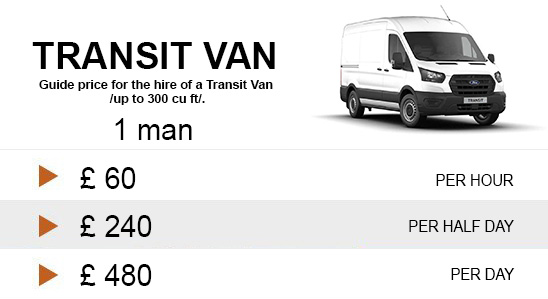
On the service side, recommendations depend on the shape of the job. For bulky household items that are still worth moving, a man and van Notting Hill service can sometimes be more efficient than a skip. If you need help pricing the job, review man with van rates so you can compare the likely cost of moving versus disposing.
If you want to understand how a provider approaches quality, safety, or sustainability, it's worth reading pages such as recycling and sustainability and insurance and safety. Those details are not flashy, but they tell you a lot.
Law, Compliance, Standards, or Best Practice
Waste disposal in the UK sits within a broader legal and practical framework. The exact obligations can vary depending on the waste type, the land it sits on, and whether you are using a skip, a private contractor, or another disposal route. So, a careful approach is wise. Not because every job is legally complex, but because waste is one of those areas where small errors can create bigger consequences than expected.
Best practice generally includes:
- making sure waste is handled by a properly authorised carrier
- keeping waste out of pavements, driveways, and shared spaces longer than necessary
- separating recyclable or reusable materials where practical
- using appropriate protection for communal areas and surfaces
- checking local placement or permit requirements before using public space
- avoiding fly-tipping or leaving items without a clear collection plan
There is also a duty of care mindset that makes sense here: once waste is yours, you should be clear about where it goes next. If you hand it over, you still want confidence that it's being disposed of properly. That's standard good practice, and in London it matters more than most people realise.
For larger or more complicated projects, especially if the waste is connected to removals, it can be worth choosing a provider whose process is transparent from start to finish. Pages like terms and conditions and payment and security help set expectations before the job begins. A bit dry, maybe, but very useful when things get busy.
Options, Methods, or Comparison Table
Most people choosing between a skip and a removal-style waste solution are really comparing three things: access, volume, and speed. Here's a practical comparison.
| Option | Best For | Pros | Watch Outs |
|---|---|---|---|
| Skip hire | Renovation waste, bulky mixed debris, ongoing clear-outs | Good for larger volumes, keeps waste on site, convenient for multi-day jobs | May need permission for public placement, can block access, not ideal for tight streets |
| Man and van collection | Furniture, household clearances, moderate loads, quick turnaround | Flexible, efficient in narrow roads, less street clutter | Requires good sorting and loading discipline, not always best for heavy builder's waste |
| Mixed approach | Big moves or renovations with varied waste types | Balances convenience and control, lets you separate what can be reused or stored | Needs coordination, can be overcomplicated if nobody is managing the plan |
For many Notting Hill properties, the mixed approach ends up being the sweet spot. For example, furniture can be moved or stored, while damaged waste is collected separately. That is often more practical than trying to force everything into one solution. If the load is mostly move-related, you may also want to explore removal services in Notting Hill alongside disposal planning.
Case Study or Real-World Example
A typical Notting Hill scenario goes like this. A landlord is preparing a two-bedroom flat for new tenants after a short tenancy. The property needs a refresh: old furniture out, a few broken items removed, a small amount of DIY waste cleared, and the communal hallway kept tidy because the building has sensitive neighbours.
At first glance, a skip sounds easy. But then the access issues appear. The road is narrow, parking is limited, and placing a skip on the street would create more hassle than it solves. So the landlord makes a more measured plan: reusable items are separated, anything suitable is kept for storage or reuse, and the rest is collected in a single vehicle-based clearance. The team works from a pre-agreed time window, protects the hallway, and clears the flat without leaving a skip outside for days.
The result? Less disruption, fewer complaints, and a cleaner handover for the next occupants. Nothing magical. Just sensible planning.
We see this pattern often in properties around central W11, especially where the building fabric is older and the loading arrangements are awkward. If you're working in a similar setting, a local page like Westbourne Grove removals in narrow streets can give you a feel for how access changes the strategy.
Practical Checklist
Before you book anything, run through this list. It saves awkward surprises later.
- Have I sorted waste into reusable, recyclable, and disposable groups?
- Do I know whether the waste will stay on private land or public space?
- Have I checked access for trucks, vans, or skip delivery?
- Do I need permission or a permit for the chosen placement?
- Is the waste carrier properly authorised and transparent about disposal?
- Have I protected hallways, stairwells, pavements, and shared entrances?
- Am I clear about what is excluded from the chosen service?
- Do I need furniture moved, stored, or disposed of rather than just thrown away?
- Have I allowed enough time for sorting and loading?
- Do I have a backup plan if the road is blocked or the job runs long?
And one small practical note: if you're working around a move, do not leave waste sorting until the last half-hour. That is how people end up stuffing everything into one pile and regretting it. We've all seen that movie.
If you need a broader planning view, the pages on removal van in Notting Hill and removal companies in Notting Hill can help you compare support levels before the work starts.
Conclusion
The practical truth about Notting Hill Council Rules on Skips & Waste Disposal is fairly simple: the right solution depends on where the waste sits, what it is, and how much access you have. In a neighbourhood with tight streets, shared entrances, and busy daily life, planning matters more than guesswork. If you think through the waste type, check the placement rules, and choose the right method for the property, the whole job becomes calmer and more efficient.
For many people, the smartest approach is not "skip or nothing." It is a combination of sorting, moving, storing, and disposing in the right order. That is where the big savings often hide. And yes, it can feel like a bit of admin upfront. But the smooth jobs are usually the ones that looked slightly boring at the start.
If you'd like help planning a move or clearance alongside disposal, you can also review our pricing and quotes page or get in touch through contact when you're ready to talk through the details.
Get a free quote today and see how much you can save.