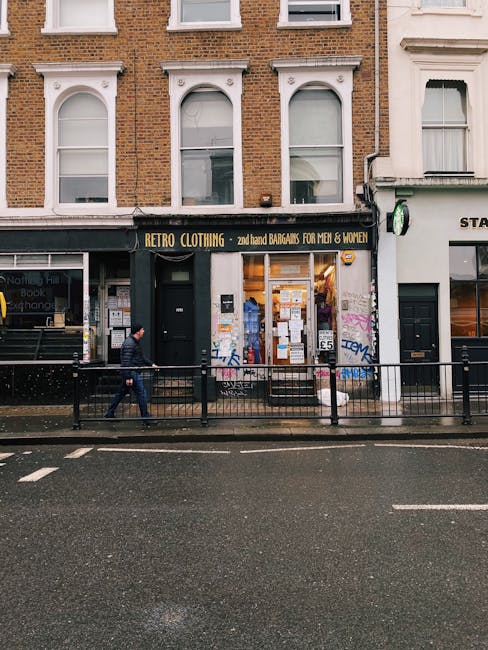
How We Moved a Boutique on Westbourne Grove, Notting Hill
Moving a boutique is never just about boxes and a van. There are rails of clothing, fragile display pieces, mirrors, stock, tills, branding, and a whole lot of timing pressure. Add Westbourne Grove into the mix, with its busy pavements, tight loading windows, and the usual Notting Hill mix of foot traffic and awkward parking, and you start to see why this kind of move needs more than a quick lift-and-shift. In this guide, we break down How We Moved a Boutique on Westbourne Grove, Notting Hill in a way that is practical, local, and genuinely useful if you are planning a retail move yourself.
You will see what makes these moves different, how to plan one properly, what can go wrong, and how to keep the day calm enough that your stock, your staff, and your nerves all make it through in one piece. Truth be told, that last part matters more than people admit.
Quick takeaway: boutique moves work best when they are treated like a retail operation, not a simple removal. Good access planning, careful packing, and a tidy handover plan save time, money, and a fair bit of stress.
Table of Contents
- Why This Boutique Move Matters
- How the Move Works in Practice
- Key Benefits and Practical Advantages
- Who This Is For and When It Makes Sense
- Step-by-Step Guidance
- Expert Tips for Better Results
- Common Mistakes to Avoid
- Tools, Resources and Recommendations
- Law, Compliance, Standards, or Best Practice
- Options, Methods, or Comparison Table
- Case Study or Real-World Example
- Practical Checklist
- Conclusion
- Frequently Asked Questions
Why How We Moved a Boutique on Westbourne Grove, Notting Hill Matters
Retail moves are different from domestic removals in a few important ways. A boutique has more than furniture to protect. It has presentation standards to preserve, stock to reconcile, and a customer experience to maintain. If a rail goes missing, a mirror chips, or the opening day slips because the fitting room panels were packed too late, the cost is not just financial. It can affect sales, staff confidence, and how the shop feels when it reopens.
Westbourne Grove brings its own challenges. It is a polished, busy stretch with a constant flow of pedestrians, deliveries, and cars looking for space that never quite seems to exist. So a move here needs to be precise. Not frantic. Precise. You need a plan for access, parking, loading, packing order, and the sequence in which the boutique will be rebuilt on the other side.
That is why this topic matters. It is not only about moving items from A to B. It is about keeping the retail business operational, protecting stock quality, and making sure the boutique can reopen looking like itself rather than a sad pile of hangers and bubble wrap.
If you are researching broader moving options, it can help to understand the difference between specialist support and general transport. Our guide on commercial moves explains why retail and business relocations often need a more structured approach than a standard house move.
How How We Moved a Boutique on Westbourne Grove, Notting Hill Works
The process usually begins with a site assessment. In a boutique move, this is where the problems often reveal themselves early, which is exactly what you want. Is there a lift? Are the stairs narrow? Can a van stop close enough without blocking traffic? Are there loading restrictions? Can the team safely carry mirrors, shelving, and mannequins without turning the staircase into a small disaster zone? These questions sound basic, but they shape everything.
Next comes inventory planning. This is more than a stock take. It means separating the move into categories: stock, fixtures, fragile items, branded materials, till equipment, storage, and anything that needs disassembly. Boutique owners often underestimate how long display items take to prep. A single glass shelf may be light, but it can be awkward, delicate, and oddly time-consuming to wrap properly. Let's face it, the awkward stuff is usually the stuff that decides the schedule.
From there, packing is done in layers. Fast-moving stock should be labelled clearly. High-value items should be grouped and tracked. Fixtures should be dismantled only if necessary, and parts should be bagged and tagged. If the shop has bespoke interior pieces, the team should photograph them before disassembly. That little step saves arguments later. Not glamorous, but useful.
Transport planning then becomes the next big piece. On a street like Westbourne Grove, timing matters. Morning traffic, school runs, delivery vans, and footfall all affect how easily a move can happen. A good plan factors in the route, the parking position, the entrance height, and the distance from the van to the boutique door. In practice, those few metres can make the difference between a smooth job and a day full of shuffling crates under pressure.
Finally, the reinstallation stage needs as much care as the packing stage. The boutique should be rebuilt in a sensible order: fixtures first, then stock, then decorative elements, then till and back-office items. If you reverse that order, you end up stacking stock on top of incomplete displays. Nobody needs that.
For moves where access is tight or timing is sensitive, a service like man and van can be a flexible fit, especially when you need a nimble vehicle and a crew who can work around local conditions rather than fight them.
Key Benefits and Practical Advantages
When boutique moves are handled properly, the benefits are immediate and easy to feel. The day runs more calmly. The stock arrives in better condition. The reopening is easier. And your team spends less time firefighting. Simple enough, but worth spelling out because this is where many owners either overspend or underprepare.
- Less downtime: a well-planned move reduces the gap between closing one site and reopening the next.
- Better stock protection: clothing, shoes, accessories, and fragile merchandise are packed with the right support and labelling.
- Cleaner brand presentation: fixtures and decor are handled in a way that helps the new space feel ready faster.
- Lower risk of damage: careful handling matters especially for mirrors, glass, lighting, and bespoke displays.
- Improved staff workflow: everyone knows where items belong instead of hunting through anonymous boxes.
- More predictable costs: clear planning reduces last-minute add-ons, waiting time, and avoidable delays.
There is also a subtler advantage: confidence. When the move is managed properly, the owner does not spend the whole day worrying about what has been left behind or whether the stockroom key is in someone's pocket. That calm is worth a lot, honestly.
And if you are comparing service levels for a London move, it can help to read up on the wider range of removal services available before you book. The right fit depends on volume, access, timing, and how hands-on you need the crew to be.
Who This Is For and When It Makes Sense
This kind of move is for boutique owners, retail managers, independent labels, and shopfitters dealing with a fashion, accessories, lifestyle, or gift retail space. It is especially useful if the boutique:
- has delicate fixtures or custom fittings
- stores high-value stock on-site
- needs to move in a limited time window
- is located on a busy road with awkward access
- must reopen quickly with minimal disruption
- needs help coordinating packing, transport, and placement
It also makes sense for landlords and fit-out teams managing a new tenant handover. If the old shop has to be cleared quickly, or if the new unit needs a tidy delivery of branded stock and display materials, a structured moving plan saves a lot of backtracking.
To be fair, not every boutique needs the same level of support. A small concept store with a few rails and shelves may only need a compact van and careful handling. A larger fashion boutique with back-office storage, mirrors, mannequins, and stock systems usually needs more planning and coordination. There is no one-size-fits-all answer, which is one reason retail moves are best priced and planned on actual details, not guesswork.
Step-by-Step Guidance
1. Survey the old and new locations
Start with the basics. Measure doorways, staircases, lift sizes, and the route from van to entrance. Check whether the new unit has any access restrictions. If a driver has to wait across a busy stretch of road while someone tries to find a loading space, the whole schedule can wobble very quickly. A few minutes spent checking access often saves an hour on move day.
2. Build a proper inventory
Create a list of everything moving. Separate stock from fixtures, and separate fragile items from general items. Label the categories clearly. You do not need a fancy system, but you do need consistency. If a box says "summer stock - accessories," it should actually contain summer accessories, not a random mix of receipts, cables, and one candle that nobody remembers buying.
3. Decide what will be dismantled
Some boutique fixtures travel better in pieces. Others should stay assembled. The key is to decide this before the day of the move. Hanging rails, shelving, and display plinths may need tools and a bit of patience. Bespoke joinery, however, should be treated cautiously. If in doubt, photograph it first and label all fixings. Tiny screws have a way of vanishing into thin air the moment someone says, "I put them safely aside."
4. Pack stock by priority and fragility
Pack the items you need first so they come off the van first. That sounds obvious, but in practice it is easy to forget when the room gets busy. Keep fragile or premium stock separate. Use protective packing for glass, jewellery displays, mirrors, and delicate accessories. If garments are travelling on rails, secure them so they do not bunch, crease, or slip.
5. Book the right vehicle and crew
Vehicle choice matters more than people think. A larger truck is not always better in a neighbourhood like Notting Hill. In tight streets, manoeuvrability matters, especially if there is limited curb space. A smaller, more flexible vehicle can sometimes be the smarter choice, particularly for short local moves. This is where a practical operator is worth more than a glossy sales pitch.
6. Plan the loading order
Put large, sturdy items on first. Keep fragile stock, branded signage, and installation materials accessible. If the team is unloading into a retail unit that still has tradespeople present, the order becomes even more important. You want a clean sequence, not a relay race with nobody quite sure who is carrying what.
7. Rebuild the store in the right sequence
Fixtures first, stock second, branding and dressing last. That order gives you the best chance of opening cleanly and avoids having to move everything twice. It also helps the team spot anything that is missing before the shop opens to customers.
If your move is urgent or tied to a launch date, same-day removals may be worth considering, although only if the access conditions and volume make it realistic. Speed is useful. Rushed chaos is not.
Expert Tips for Better Results
In our experience, the small details are what save the day. Here are the habits that make a real difference.
- Photograph the shop before dismantling anything. It helps with rebuilding layout, lighting, and merchandising.
- Use clear labels on every box and rail. Not "miscellaneous," please. That label solves nothing.
- Keep a small essentials kit separate. Tape, scissors, markers, cloths, charger cables, and spare bags should be easy to reach.
- Protect mirrors and glass twice, not once. A little extra wrapping is far cheaper than replacement.
- Confirm who is responsible for keys and access codes. This gets overlooked surprisingly often.
- Leave a final sweep for forgotten stock and fixtures. Under shelving, behind display units, and in back rooms all hide things.
One useful rule: pack for the sequence of reopening, not the sequence of packing. That mindset shift alone prevents a lot of rummaging later. And yes, the team may grumble while doing it. They usually stop grumbling once the new shop starts taking shape.
If your boutique includes premium stock, storage overflow, or items that cannot go straight onto the floor, it can help to use storage as part of the wider plan rather than as an afterthought. That gives you room to stage the move properly.
Common Mistakes to Avoid
The biggest mistakes in boutique moves are usually not dramatic. They are ordinary things done late, sloppily, or without enough information.
- Underestimating access issues: a beautiful location can still be awkward for loading.
- Packing everything together: stock, fixtures, and cables should not end up in one giant mystery pile.
- Ignoring opening-day layout: if you do not plan the new layout, the move becomes slower and messier.
- Leaving fragile items until the end: that is when people get tired, which is exactly when breakages happen.
- Not checking parking or loading arrangements: a small error here can ripple through the whole day.
- Forgetting to assign roles: too many people doing too many things can slow the job down.
There is also the classic mistake of assuming that "it is only a short move" means "it will be easy." Short does not mean simple. In a place like Westbourne Grove, the first thirty metres can be the tricky part. The building geometry, the road layout, the timing, the stock type-all of it matters.
Tools, Resources and Recommendations
A boutique move runs more smoothly when the right tools are ready before anyone touches a shelf. You do not need a warehouse of equipment, but a focused set of moving tools helps a great deal.
| Tool or Resource | Why It Helps | Best Used For |
|---|---|---|
| Labels and markers | Keep stock, fixtures, and packing categories clear | Sorting and unpacking |
| Wardrobe rails or garment carriers | Protect clothing and reduce creasing | Fashion stock |
| Bubble wrap and corner protectors | Reduce damage to glass and fragile displays | Mirrors, shelves, signage |
| Tool kit | Helps dismantle and rebuild fixtures properly | Rails, shelving, fittings |
| Inventory sheet | Tracks what is moving and what has arrived | Stock control |
| Protective blankets | Softens contact and limits scratching | Furniture and fixtures |
You may also want to use a professional packing service if your team is already stretched. A boutique manager rarely has the luxury of spending two days wrapping mirror panels while keeping the shop open and answering supplier emails. If that sounds familiar, you are not alone.
For more detail on moving support that includes packing, see packing and unpacking services and the practical approach behind packing and boxes.
Law, Compliance, Standards, or Best Practice
Retail moves in London are not usually about one single law or rule; they are about meeting a set of practical obligations safely and sensibly. That includes access planning, safe lifting, clear communication, and making sure transport arrangements do not create avoidable risk for staff, the public, or neighbouring businesses.
At a minimum, best practice usually includes:
- carrying out a basic risk assessment before the move
- checking access routes for trip hazards, tight turns, and stair risks
- handling heavy or awkward items with appropriate care
- making sure vehicles are loaded securely
- keeping walkways as clear as possible during the move
- using suitable packing for fragile or valuable items
If a boutique has staff helping with the move, it is sensible to think about manual handling and general workplace safety. There is no point saving half an hour if someone ends up lifting something badly and paying for it later. Common sense goes a long way here, and in practice it usually beats overconfidence.
It is also worth checking the moving company's approach to insurance and safety before booking. A reputable operator should be able to explain how they manage risk, what is covered, and what the process looks like if something unexpected happens. If you want to compare that side of the service, insurance and safety is a useful place to start.
For pricing clarity and planning, it may also help to review pricing and quotes so you understand how different factors affect the final cost. Access, volume, timing, and the amount of handling required are usually the big drivers.
Options, Methods, or Comparison Table
There is no single best way to move a boutique. The right method depends on space, stock type, deadline, and access. Here is a simple comparison of common approaches.
| Method | Best For | Strengths | Trade-Offs |
|---|---|---|---|
| Small man and van move | Compact boutiques with limited stock | Flexible, nimble, usually easier in tight streets | Less suitable for larger fixtures or full shop clears |
| Full removal team | Medium to larger retail relocations | More hands, faster loading, better for heavier items | May be more than you need for a small move |
| Packed-and-moved service | Busy owners who need end-to-end support | Saves time and reduces stress | Can cost more, but often pays back in time saved |
| Split move with storage | Staged openings or fit-out delays | Flexible if the new unit is not ready yet | Needs tighter inventory control |
For many Westbourne Grove moves, the sweet spot is a carefully planned small-to-mid-size team with the right vehicle and clear access instructions. Bigger is not always better. Sometimes it just means you have a bigger vehicle trying to do a smaller, trickier job. That rarely ends well.
Case Study or Real-World Example
Here is a realistic example based on the kind of move we see in Notting Hill.
A small independent boutique relocating on Westbourne Grove had a mix of hanging garments, boxed accessories, mirrors, two shelving units, a till area, and several display props. The old site had restricted stopping space, and the new site was a short distance away but still within the same busy retail strip. At first glance, it looked straightforward. It was not. The challenge was fitting the move into a narrow time window without cluttering the pavement or leaving stock exposed.
The solution was simple in principle, a bit fiddly in execution. The team pre-labelled stock by collection, dismantled only the fixtures that needed it, wrapped mirrors separately, and loaded the van in the order the new shop would be set up. The route was checked before the day, and the handover timing was kept tight so the lift-in did not overlap with other deliveries. That meant less waiting, fewer hand movements, and no "where did we put the screws?" moment. Well, almost none.
What made the move work was not speed alone. It was the combination of access planning, clear sequencing, and sensible packing. The boutique reopened with its core layout intact, and the owner did not have to spend the first afternoon hunting for missing fixtures. That is the difference between moving and moving well.
Practical Checklist
Use this as a final pre-move check. It is simple, but it catches the things that tend to slip through.
- Confirm the move date, access time, and keys
- Check loading restrictions and parking arrangements
- Measure doorways, stairs, and lift access
- Inventory stock, fixtures, and fragile items
- Label everything by category and destination room
- Photograph bespoke fixtures before dismantling
- Pack an essentials kit for the first hour after arrival
- Separate high-value stock from general items
- Protect mirrors, glass, and lighting properly
- Plan the rebuild order for the new boutique
- Keep contact details for the moving team and site lead handy
- Do a final sweep of back rooms, storage, and under shelving
Expert summary: if you plan the move around access, inventory, and reopening order, most of the stress disappears before it has a chance to build. That is the real secret. Not flashy, but it works.
Conclusion
How We Moved a Boutique on Westbourne Grove, Notting Hill is really a lesson in precision. Boutique relocations ask for more than transport. They ask for judgement, timing, care, and a practical understanding of how retail spaces work day to day. In a busy area like Notting Hill, the details matter even more. The loading space, the packing order, the timing, the handover plan-these are not side issues. They are the move.
Done properly, a boutique move can feel orderly rather than overwhelming. Stock arrives intact, fixtures go where they should, and the shop starts its next chapter without unnecessary drama. And that, in the end, is what most owners want: a clean transition and a space that feels ready again, almost as if it has always been there.
If you are planning a retail relocation and want the process to feel a little less daunting, start with a clear plan and a team that understands local access, careful packing, and the rhythm of London streets. The rest becomes much easier.
Get a free quote today and see how much you can save.
Frequently Asked Questions
How long does it take to move a boutique on Westbourne Grove?
It depends on stock volume, access, and how much needs dismantling. A small boutique may be moved in a day, while a larger or more complex space may need staging over longer. The important bit is the setup, not just the drive.
What is the biggest challenge in a Notting Hill boutique move?
Access is usually the main issue. Westbourne Grove can be busy, parking can be tight, and loading safely without blocking the pavement takes planning. The move becomes easier once the access plan is clear.
Should boutique stock be moved on rails or boxed?
It depends on the item. Hanging garments often travel better on rails or in wardrobe carriers, while accessories, folded items, and fragile pieces are usually better boxed and labelled. The aim is protection and speed at unpacking.
Do I need to dismantle all the fixtures before moving?
No, not always. Some fixtures are best moved intact if they fit safely and can be protected. Others, especially larger shelving or bespoke units, may need partial dismantling. It is a judgement call, not a rule.
Can a small van handle a boutique move?
For compact moves, yes. A smaller vehicle can actually be more practical in tight streets. If the stock or fixtures are substantial, a larger removal vehicle or a mixed setup may be better.
How can I reduce downtime for my shop?
Plan the inventory, pack in reopening order, pre-check access, and keep the move tightly scheduled. The less time spent searching, waiting, or repacking, the faster the boutique gets back to trading.
What should be packed last and unpacked first?
Essential items for reopening should be easy to reach: till items, key fixtures, signage, and the first stock lines you want on display. That way, the store can start looking finished quickly rather than in bits.
Is storage useful during a boutique move?
Yes, especially if the new unit is not ready or if some stock needs to be staged. Storage can help keep the move tidy and prevent the retail floor from becoming overcrowded.
How do I know if I need packing help as well as transport?
If the team is short on time, the stock is fragile, or the fixtures are awkward, packing help can make a big difference. It usually saves more stress than people expect.
What should I ask a mover before booking?
Ask about access planning, vehicle size, insurance, packing support, timing, and how they handle fragile or high-value items. Clear answers are a good sign. Vague answers are not.
Can a boutique move be done outside trading hours?
Sometimes, yes. That depends on access, building rules, and the moving team's availability. After-hours moves can reduce disruption, though they need careful coordination.
What is the best way to avoid damage to mirrors and displays?
Use proper protective packing, keep items upright where possible, and isolate glass or mirrored pieces from heavier stock. A little extra padding is worth it. More than worth it, really.
For broader context on local moving patterns, you may also find it helpful to explore Westbourne Grove removals in Notting Hill and parking suspensions and loading bay rules in Notting Hill if you are planning ahead for a future move.